

Conferences and events
February 2026
Spasticity X
February 17–18, 2026
San Juan, PR
Association of Academic Physiatrists (AAP) Annual Meeting
February 18–21, 2026
San Juan, PR
February 17–18, 2026
San Juan, PR
February 18–21, 2026
San Juan, PR
April 2026
American Academy of Neurology (AAN) Annual Meeting
April 18–22, 2026
Chicago, IL
September 2026
American Academy for Cerebral Palsy and Developmental Medicine (AACPDM) Annual Meeting
September 27–30, 2026
Philadelphia, PA
November 2026
American Academy of Physical Medicine and Rehabilitation (AAPM&R) Annual Assembly
November 11–14, 2026
Orlando, FL
Be sure to visit again for updates.
Support the Movement Disorder Community


Organizations that provide information and support
Organizations listed on this page are independent third-party organizations not affiliated with Ipsen.
Ipsen does not control or endorse content and information provided by these independent organizations.

Alliance for Patient Access

Brain Injury Association of America

Cerebral Palsy Alliance Research Foundation

Cerebral Palsy Research Network

Dystonia Medical Research Foundation

National Spasmodic Torticollis Association

American Academy for Cerebral Palsy and Developmental Medicine

Caregiver Action Network

Cerebral Palsy Foundation

Child Neurology Foundation

International Alliance for Pediatric Stroke
Support the Movement Disorder Community
Hear A Real Patient Story Here
Sherril is a stroke survivor who is dedicated to her career helping others. This is the real-life experience of one individual’s stroke recovery journey, including managing spasticity, and is not representative of all experiences. Sherril has been compensated for her time.
Sponsored by Ipsen Biopharmaceuticals, Inc
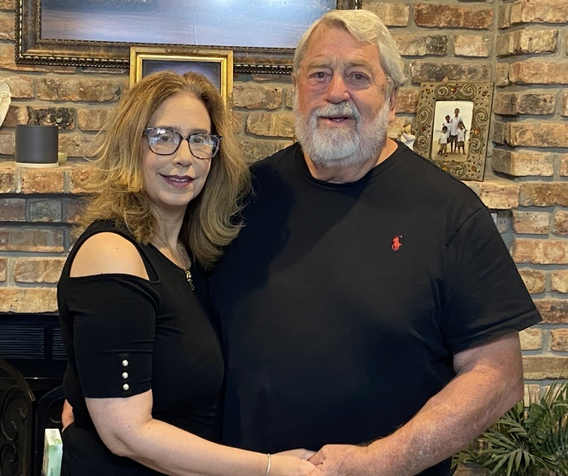
Sherril is a nurse, wife, mother of four and grandmother to seven. In 2016, she was 42 years old running her own business when her life changed forever. One evening, after finishing a bath, she realized something was very wrong and yelled for help. Her family rushed to her aid and contacted emergency medical services. She was airlifted to the hospital where she later learned her blood pressure was 168/172 - she was experiencing an ischemic stroke. “It was like a scene out of a movie,” she recalls. Emergency surgery saved her life.
Recovery Journey and Spasticity
After returning home, Sherril closed her business to focus on recovery. Following a stroke, there is an increased risk for a second stroke, but stroke survivors may also experience common physical challenges like weakness on one side of the body, exhaustion or fatigue, muscle pain and stiffness called spasticity. For Sherril, one of the most difficult aspects of stroke recovery was spasticity, which caused her arm muscles to contract uncontrollably resulting in spasms and pain from a clenched fist. Initially optimistic, she hit what she calls “a brick wall” after six months of post-stroke recovery when the hand clenching and stiffness in her left arm made everyday tasks nearly impossible.
Sherril is one of many people navigating life with spasticity. More than 25 percent of stroke survivors experience muscle pain and stiffness in their arms and legs within the first year.
“I went from a fast, active lifestyle before stroke to complete stillness,” she says. The emotional toll was heavy, and depression set in as her independence slipped away. As a nurse, Sherril’s career is very hands-on. Despite physical limitations that come with spasticity, she was determined to make adjustments to help her get back to working.
Treatment Decisions
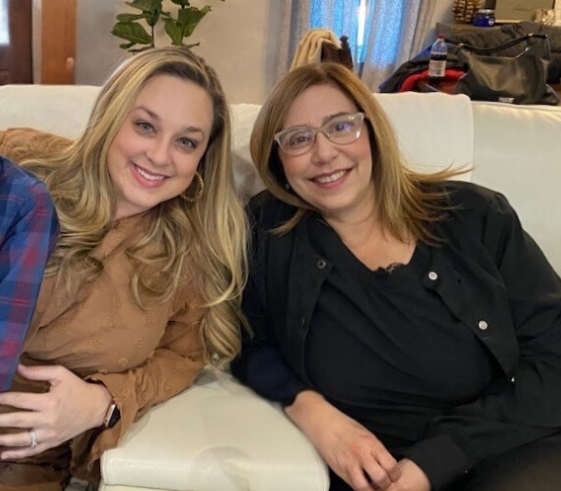
For two years, Sherril lived with the pain and made lifestyle adjustments, and in 2018, her sister introduced her to a Physical Medicine & Rehabilitation specialist.
This doctor explained that a spasticity treatment plan with clear goals could help her improve function. Sherril’s main goals were clear: slowly regain the ability to open doors, dress herself and cook.
Sherril’s doctor recommended a treatment to provide lasting spasticity relief for at least 12 weeks. Dysport® (abobotulinumtoxinA) was shown in a clinical study to provide relief from muscle stiffness at 4 weeks, which can last 12 weeks or longer. It works by temporarily blocking signals from the brain that tell the affected muscles to contract or tighten. Dysport is an injection approved for the treatment of spasticity in patients 2 years of age and older and cervical dystonia in adults.
Before starting Dysport, Sherril discussed potential serious side effects with her doctor, including potential problems breathing or speaking, and potential spread of treatment effects that could be life threatening. Because these problems can happen within hours, or days to weeks after an injection of Dysport, people should contact their doctor and get medical help right away if they experience serious side effects.
Potential Spasticity Treatment Goals
People living with spasticity should determine appropriate treatment goals with their doctor.
- Opening the hand or moving fingers for activities like hand washing, nail care or turning on lights
- Grasping or picking up objects for eating or drinking
- Wrist movement to dress or write/type
- Range of motion in arms to perform household chores or provide self-care
- Ability to stand or take steps
- Reduced arm or leg muscle stiffness or spasms
“I noticed a difference with Dysport,” Sherril says. Over time, her treatment plan evolved to target specific muscles, including her clenched left hand. Today, she has returned to the field of nursing and can hold her grandson’s hand – two important goals that emerged as her progress surpassed her original goals. Along the recovery journey, her husband has been her biggest supporter, and with her growing independence, no longer needs to help with as many day-to-day tasks. Please see below for additional important safety information, including IMPORTANT WARNING.
Lessons Learned and Advice for Others
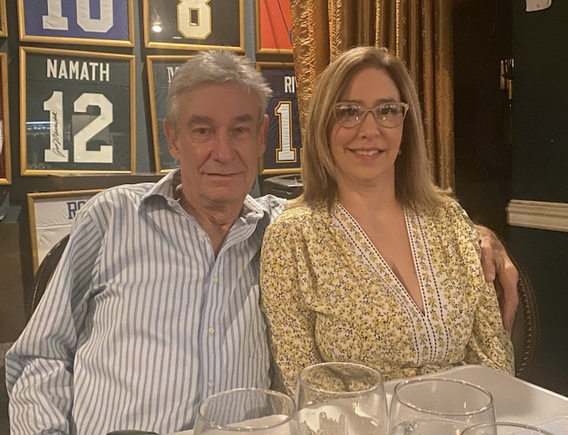
Recovery from a stroke can be slow and requires persistence. “Assert your needs, advocate for yourself and set goals with your care team,” Sherril advises. She also believes that you shouldn‘t have to adjust your life to spasticity - you can manage it. Many years after the stroke, Sherril is still on her recovery journey and as part of that, receives treatment with Dysport every 12 weeks for spasticity. She’s grateful for the progress she’s made and hopes her story inspires others to seek help and explore options. “Hope is always there,” Sherril reminds others.
Download a goal-setting guide to use with your doctor to talk about spasticity. Learn more about Dysport® (abobotulinumtoxinA), including full Prescribing Information with IMPORTANT WARNING and Medication Guide at www.Dysport.com.
INDICATIONS
DYSPORT (abobotulinumtoxinA) for injection is indicated for the treatment of:
- spasticity in patients 2 years of age and older
- cervical dystonia in adults
Please see the Dysport full Prescribing Information, including BOXED WARNING.
IMPORTANT SAFETY INFORMATION
Warning: Distant Spread of Toxin Effect
Postmarketing reports indicate that the effects of DYSPORT and all botulinum toxin products may spread from the area of injection to produce symptoms consistent with botulinum toxin effects. These may include asthenia, generalized muscle weakness, diplopia, blurred vision, ptosis, dysphagia, dysphonia, dysarthria, urinary incontinence and breathing difficulties. These symptoms have been reported hours to weeks after injection. Swallowing and breathing difficulties can be life threatening and there have been reports of death. The risk of symptoms is probably greatest in children treated for spasticity but symptoms can also occur in adults treated for spasticity and other conditions, particularly in those patients who have underlying conditions that would predispose them to these symptoms. In unapproved uses and in approved indications, cases of spread of effect have been reported at doses comparable to or lower than the maximum recommended total dose.
Contraindications
DYSPORT is contraindicated in patients with known hypersensitivity to any botulinum toxin products, cow’s milk protein, or to any of the components in the formulation, or infection at the proposed injection site(s). Serious hypersensitivity reactions including anaphylaxis, serum sickness, urticaria, soft tissue edema, and dyspnea have been reported. If such a serious reaction occurs, discontinue DYSPORT and institute appropriate medical therapy immediately.
Warnings and Precautions
Lack of Interchangeability Between Botulinum Toxin Products
The potency Units of DYSPORT are specific to the preparation and assay method utilized. They are not interchangeable with other preparations of botulinum toxin products and, therefore, units of biological activity of DYSPORT cannot be compared to or converted into units of any other botulinum toxin products assessed with any other specific assay method.
Dysphagia and Breathing Difficulties
Treatment with DYSPORT and other botulinum toxin products can result in swallowing or breathing difficulties. Patients with pre-existing swallowing or breathing difficulties may be more susceptible to these complications. In most cases, this is a consequence of weakening of muscles in the area of injection that are involved in breathing or swallowing. When distant effects occur, additional respiratory muscles may be involved. Deaths as a complication of severe dysphagia have been reported after treatment with botulinum toxin. Dysphagia may persist for several weeks and require use of a feeding tube to maintain adequate nutrition and hydration. Aspiration may result from severe dysphagia and is a particular risk when treating patients in whom swallowing or respiratory function is already compromised. Treatment of cervical dystonia with botulinum toxins may weaken accessory muscles of ventilation, which may result in a critical loss of breathing capacity in patients with respiratory disorders who may have become dependent upon these muscles. Patients treated with botulinum toxin may require immediate medical attention should they develop problems with swallowing, speech, or respiratory disorders. These reactions can occur within hours to weeks after injection with botulinum toxin.
Pre-existing Neuromuscular Disorders
Individuals with peripheral motor neuropathic diseases, amyotrophic lateral sclerosis, or neuromuscular junction disorders (e.g., myasthenia gravis or Lambert-Eaton syndrome) should be monitored particularly closely when given botulinum toxin. Patients with neuromuscular disorders may be at increased risk of clinically significant effects including severe dysphagia and respiratory compromise from typical doses of DYSPORT.
Human Albumin and Transmission of Viral Diseases
This product contains albumin, a derivative of human blood. Based on effective donor screening and product manufacturing processes, it carries an extremely remote risk for transmission of viral diseases and variant Creutzfeldt-Jakob disease (vCJD). There is a theoretical risk for transmission of Creutzfeldt-Jakob disease (CJD), but if that risk actually exists, the risk of transmission would also be considered extremely remote. No cases of transmission of viral diseases, vCJD, or CJD have ever been identified for licensed albumin or albumin contained in other licensed products.
Intradermal Immune Reaction
The possibility of an immune reaction when injected intradermally is unknown. The safety of DYSPORT for the treatment of hyperhidrosis has not been established. DYSPORT is approved only for intramuscular injection.
Pre-existing Conditions at the Injection Site
Caution should be exercised when DYSPORT is used where the targeted muscle shows excessive weakness or atrophy.
Adverse Reactions
- The most common adverse reactions (≥4%) in adults with upper limb spasticity include muscular weakness; in adults with lower limb spasticity (≥5%) include falls, muscular weakness, and pain in extremity
- The most common adverse reactions (≥10%) in pediatric patients with upper limb spasticity include upper respiratory tract infection and pharyngitis; in pediatric patients with lower limb spasticity include nasopharyngitis, cough, and pyrexia
- The most common adverse reactions (≥5%) in adults with cervical dystonia include muscular weakness, dysphagia, dry mouth, injection site discomfort, fatigue, headache, musculoskeletal pain, dysphonia, injection site pain, and eye disorders
Drug Interactions
Co-administration of DYSPORT and aminoglycosides or other agents interfering with neuromuscular transmission (e.g., curare-like agents) should only be performed with caution because the effect of the botulinum toxin may be potentiated. Use of anticholinergic drugs after administration of DYSPORT may potentiate systemic anticholinergic effects such as blurred vision. The effect of administering different botulinum neurotoxins at the same time or within several months of each other is unknown. Excessive weakness may be exacerbated by another administration of botulinum toxin prior to the resolution of the effects of a previously administered botulinum toxin. Excessive weakness may also be exaggerated by administration of a muscle relaxant before and after administration of DYSPORT.
Please see the Dysport full Prescribing Information, including BOXED WARNING.